
Herbal & Wax Vaporizers: What They Are & How They Work
Herbal and wax vaporizers are devices designed to heat plant material or concentrated extracts to a temperature that produces vapour instead of combustion. These devices are commonly discussed in the context of dry herb vaporization and concentrate vaporization, offering different methods depending on the material being used.
This guide explains what herbal vaporizers and wax-style concentrate vaporizers are, how they work, the main types available, and what users typically consider when comparing devices in this category.
What Are Herbal Vaporizers?
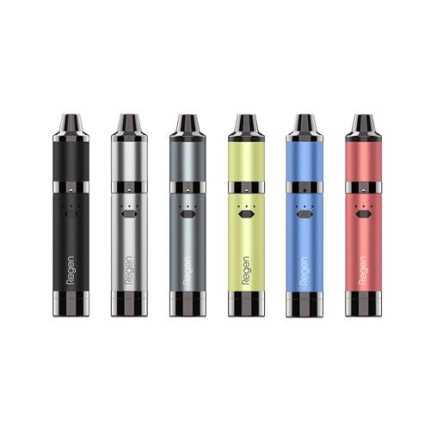
Herbal vaporizers are devices designed to heat dried plant material to a controlled temperature range. Instead of burning the material, the device heats it enough to release active compounds in vapour form.
They are commonly used for:
- Dry herb vaporization
- Temperature-controlled heating of plant material
- Portable or desktop vaporization systems
- Aromatic or botanical material use cases
Herbal vaporizers are typically designed with precision temperature control to optimize vapour production.
What Are Wax Vaporizers?
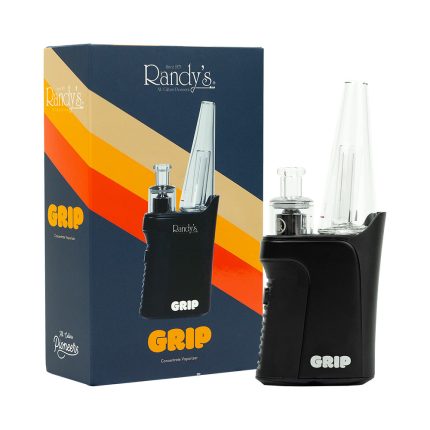
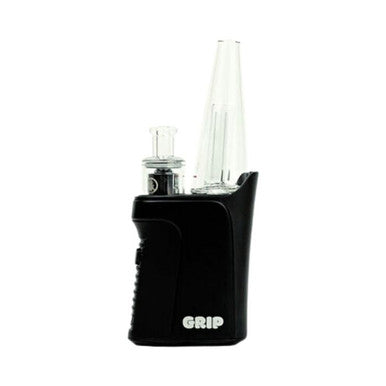
Wax vaporizers are devices designed to handle concentrated extracts with a thick, wax-like consistency. These devices are built with heating chambers or coils that can vaporize dense concentrates.
They are commonly used for:
- Concentrated extract vaporization
- High-temperature heating systems
- Compact or portable concentrate devices
- Dual-use or specialized vape hardware
Wax-style vaporizers generally require higher heat output compared to dry herb devices.
How Herbal & Wax Vaporizers Work
Both device types operate on the same core principle: controlled heating without combustion.
Basic process:
- Material is placed into the heating chamber
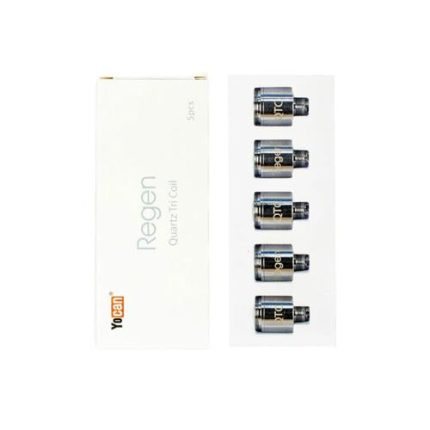
- The device applies controlled heat via coil or chamber system
- Active compounds are released as vapour
- Vapour is inhaled through a mouthpiece
The main difference lies in the temperature range and material compatibility.
Types of Herbal Vaporizers
Herbal vaporizers are available in different formats depending on design and use case.
1. Portable Herbal Vaporizers
These are compact, battery-powered devices designed for mobility.
Features:
- Small and discreet design
- Rechargeable battery systems
- On-the-go usability
- Moderate chamber sizes
Best For:
- Users who need portability
- Everyday personal use
2. Desktop Herbal Vaporizers
These are larger devices designed for stationary use.
Features:
- High performance heating systems
- Precise temperature control
- Larger capacity chambers
- Plug-in power source
Best For:
- Home use
- Extended sessions
- High-precision vaporization
3. Hybrid Herbal Devices
Some devices are designed to handle multiple material types.
Features:
- Multi-material compatibility
- Adjustable heating modes
- Versatile performance options
Best For:
- Users who prefer flexible device functionality
Types of Wax Vaporizers
Wax vaporizer devices vary depending on coil design and heating method.
1. Coil-Based Wax Vaporizers
These use exposed or embedded coils to heat concentrates.
Features:
- Rapid heating capability
- Simple operation
- Compact design
Best For:
- Users seeking straightforward concentrate devices
2. Ceramic Chamber Vaporizers
These use ceramic heating surfaces for more controlled heating.
Features:
- Even heat distribution
- Reduced material burning risk
- Cleaner flavour profile
Best For:
- Users prioritizing temperature control
3. Dual-Use Vaporizers
Some devices support both dry herb and concentrate use.
Features:
- Multi-material compatibility
- Adjustable heating modes
- Versatile device structure
Best For:
- Users who want flexible device usage
Key Features of Herbal & Wax Vaporizers
These devices are typically characterized by:
Temperature Control Systems
Allowing precise heating adjustments.
Material-Specific Design
Optimized for either dry herb or concentrates.
Battery or Desktop Power
Available in portable or stationary formats.
Vaporization Without Combustion
Designed to heat rather than burn material.
How These Devices Differ from Traditional Methods
Herbal and wax vaporizers differ from combustion-based methods by using controlled heating instead of burning.
Key differences:
- Lower-temperature operation
- No direct combustion process
- Focus on vapour production
- Adjustable temperature settings
Storage & Maintenance
Proper care helps maintain device performance:
- Clean chambers regularly
- Avoid residue buildup
- Store devices in a dry environment
- Charge batteries safely
- Follow manufacturer maintenance guidance
Safety & Usage Considerations
When using herbal or wax vaporizer devices:
- Use only compatible materials
- Avoid overheating chambers
- Allow devices to cool before cleaning
- Keep away from moisture
- Follow proper charging practices
Considerations Before Choosing a Device
When exploring herbal or wax vaporizers, users typically consider:
- Material type (dry herb vs concentrates)
- Portability vs desktop use
- Temperature control features
- Heating technology (ceramic, coil, etc.)
- Battery life and power source
- Ease of cleaning and maintenance
Final Thoughts on Herbal & Wax Vaporizers
Herbal and wax vaporizers are specialized devices designed for controlled heating of dry plant material or concentrated extracts. With a range of portable, desktop, and hybrid options, they offer different performance styles depending on material type and user preference.
Understanding how these devices work, how they differ by heating method, and how temperature control affects performance helps users make more informed decisions when exploring vaporization hardware.

