
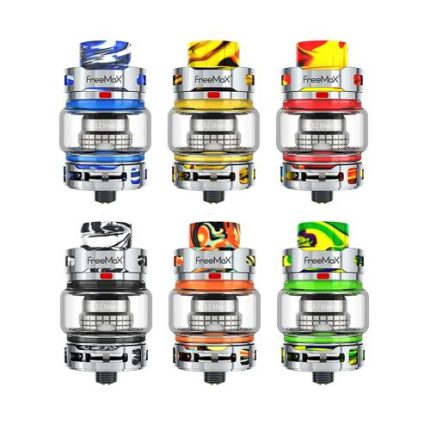
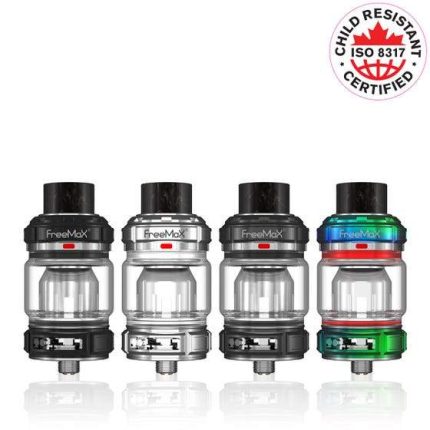
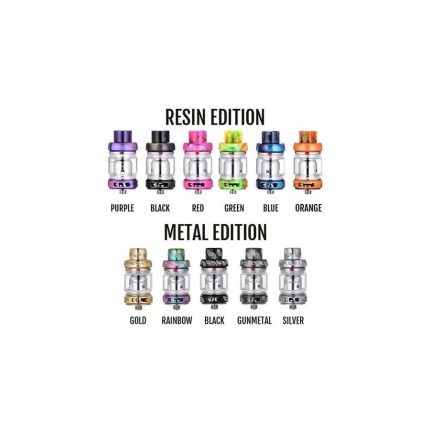
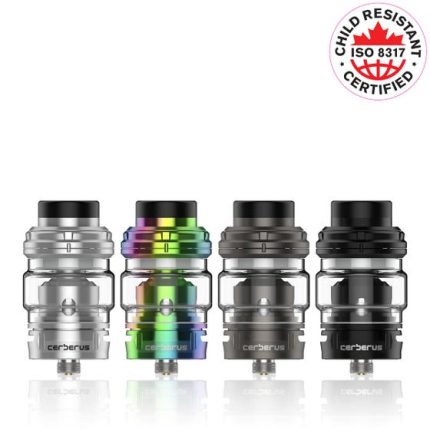
Sub-Ohm Tanks: What They Are & How They Work
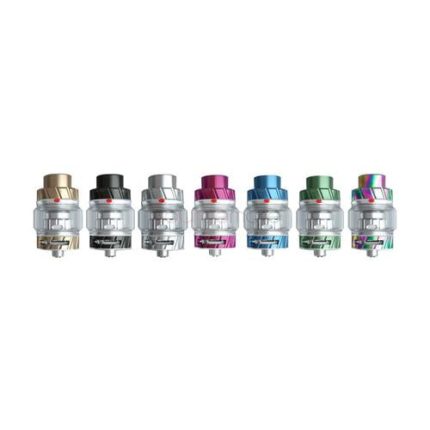
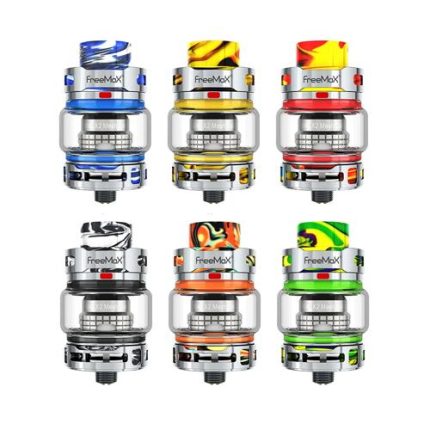
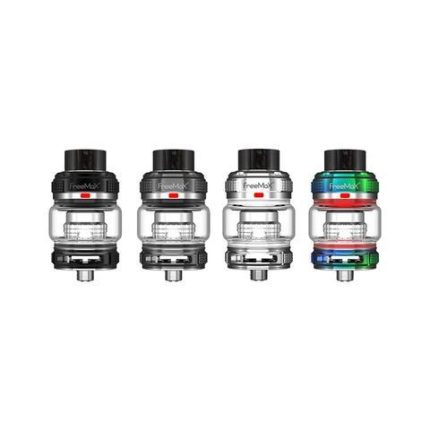
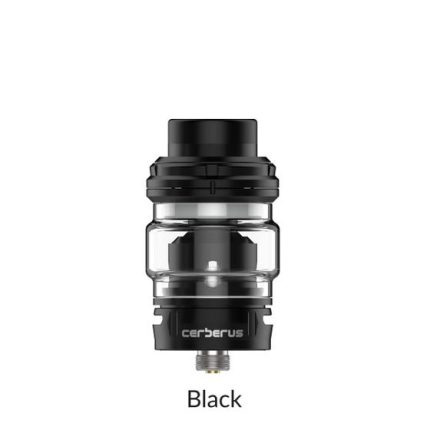
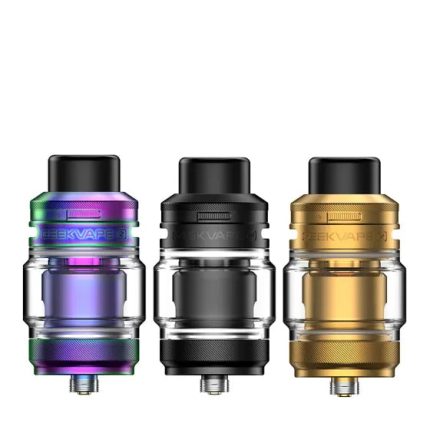
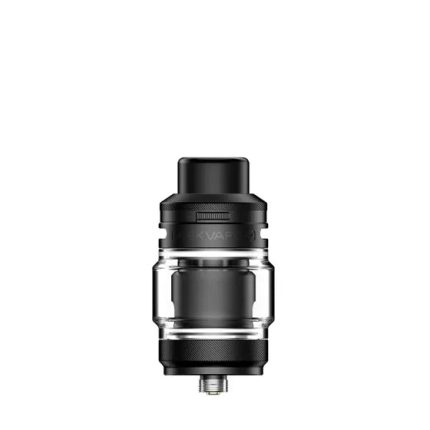
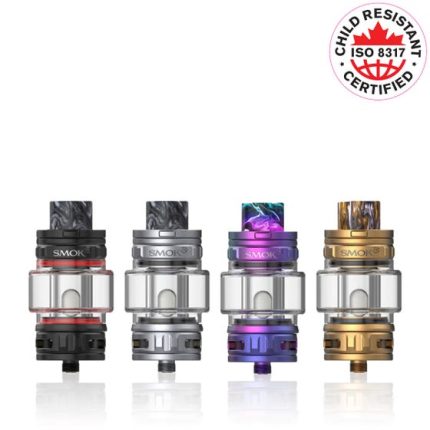
Sub-ohm tanks are vape tanks that use coils with a resistance below 1.0 ohm. They are designed for higher power output, increased vapour production, and more intense flavour delivery compared to higher-resistance (MTL) tank systems.
This guide explains what sub-ohm tanks are, how they work, the different types available, and the key factors users typically consider when comparing high-performance tank systems.
What Are Sub-Ohm Tanks?
Sub-ohm tanks are vape atomizers that use low-resistance coil heads (below 1.0 ohm) to produce larger vapour clouds and enhanced flavour intensity. They are typically used with direct-to-lung (DTL) vaping styles and higher wattage devices.
They are commonly associated with:
- Direct-to-lung (DTL) vaping
- High-power vape devices
- Mesh coil technology (in many modern tanks)
- High vapour production systems
Sub-ohm tanks are designed for performance-oriented vaping rather than tight-draw MTL use.
How Sub-Ohm Tanks Work
Sub-ohm tanks operate using low-resistance coils powered by higher wattage devices.
Basic process:
- E-liquid is stored in the tank reservoir
- The wick absorbs liquid from the tank
- The device powers a low-resistance coil
- The coil heats rapidly due to higher current flow
- Vapour is produced in larger volume
- Vapour is inhaled directly into the lungs
The combination of low resistance and higher power produces dense vapour output.
Types of Sub-Ohm Tanks
Sub-ohm tanks come in several variations depending on coil design and airflow configuration.
1. Mesh Sub-Ohm Tanks
These use mesh coil heads instead of traditional wire coils.
Features:
- Faster ramp-up time
- Even heat distribution
- Strong flavour consistency
- High vapour production
Best For:
- Users prioritizing flavour and cloud performance
- Modern tank systems
2. Traditional Coil Sub-Ohm Tanks
These use wire coil heads (non-mesh).
Features:
- Classic coil design
- Strong vapour production
- Slightly slower ramp-up time
- Widely available coil options
Best For:
- Users familiar with traditional setups
- Standard sub-ohm vaping
3. Top-Fill Sub-Ohm Tanks
These are designed for filling from the top.
Features:
- Easy refill system
- Reduced leakage risk (design dependent)
- Quick liquid top-up
- User-friendly design
Best For:
- Everyday convenience use
- Travel-friendly setups
4. Top-Airflow Sub-Ohm Tanks
These position airflow at the top of the tank.
Features:
- Reduced leakage risk
- Smoother airflow control
- Improved portability
- Balanced vapour delivery
Best For:
- Users prioritizing leak resistance
- Daily use setups
5. Adjustable Airflow Sub-Ohm Tanks
These allow airflow customization.
Features:
- Adjustable draw resistance
- Flexible vapour output
- Tight to open airflow control
- Customisable vaping experience
Best For:
- Users who want performance control
- Personalised draw style
Key Features of Sub-Ohm Tanks
Sub-ohm tanks are typically characterized by:
Low-Resistance Coils
Designed for higher power output below 1.0 ohm.
High Vapour Production
Produces dense vapour clouds compared to MTL systems.
Direct-to-Lung Inhalation
Airflow designed for lung inhalation style.
Increased E-Liquid Consumption
Higher output requires more liquid usage.
Sub-Ohm Tanks vs MTL Tanks
Sub-Ohm Tanks:
- Low-resistance coils (<1.0 ohm)
- High vapour production
- Open airflow design
- Direct lung inhalation
MTL Tanks:
- Higher-resistance coils
- Restricted airflow
- Lower vapour production
- Mouth-to-lung inhalation
Sub-Ohm Tanks vs RDAs
Sub-Ohm Tanks:
- Pre-built coil heads
- Easier maintenance
- Built-in liquid reservoir
- Less customization
RDAs:
- Fully rebuildable coils
- No tank reservoir
- Manual dripping or squonking
- Higher customization
Sub-Ohm Tanks vs RTAs
Sub-Ohm Tanks:
- Replaceable coil heads
- Simpler maintenance
- Factory-made coils
- More plug-and-play operation
RTAs:
- Rebuildable coil decks
- User-built coils
- More customization control
- More complex wicking system
Maintenance & Care
Sub-ohm tanks require regular maintenance:
- Replace coils when flavour declines
- Clean tank and airflow system
- Avoid overfilling during refills
- Check seals and O-rings regularly
- Prime coils before first use
Storage Tips
- Store tank upright to prevent leaking
- Keep away from heat and sunlight
- Clean before long-term storage
- Avoid leaving liquid stagnant in tank
- Store in a dry, safe environment
Safety & Usage Considerations
When using sub-ohm tanks:
- Use compatible high-wattage devices
- Match wattage to coil resistance range
- Prime coils before use
- Avoid dry firing coils
- Follow manufacturer coil specifications
What to Consider Before Choosing a Sub-Ohm Tank
- Coil type (mesh vs wire)
- Airflow style (top, bottom, adjustable)
- Wattage range compatibility
- Tank capacity
- Ease of coil replacement
- Flavour vs vapour preference
Final Thoughts on Sub-Ohm Tanks
Sub-ohm tanks are high-performance vape tanks designed for low-resistance coil operation and direct-to-lung vaping. Available in mesh, traditional coil, top-fill, top-airflow, and adjustable airflow designs, they are widely used for vapour production and flavour-focused tank systems.
Understanding coil resistance, airflow design, and wattage compatibility helps users make more informed decisions when exploring sub-ohm tank categories.

